Guides: Local tips
Two things make cleaning in North Austin a little different from cleaning almost anywhere else. One comes out of the tap all year. The other arrives on the wind every winter. Neither is difficult to manage once you know what you are dealing with.
How hard is Austin's water?
Austin Water describes the city's tap water as moderately hard. Its published figures put hardness between 70 and 126 parts per million, with an average of 93, which is about 5.4 grains per gallon.
Hardness is dissolved calcium and magnesium. It is not a health concern. The trouble starts when water evaporates. The minerals stay behind as a white film, and each new layer bonds to the last. Left alone for months, the film turns into scale that ordinary spray cleaners will not move.
Where the spots show up
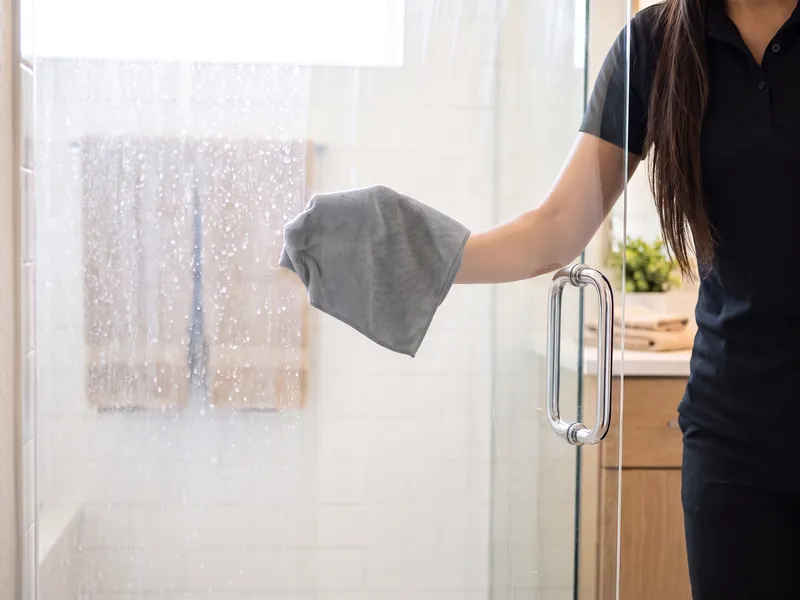
- Shower glass and door tracks
- Chrome and matte black faucets and shower heads
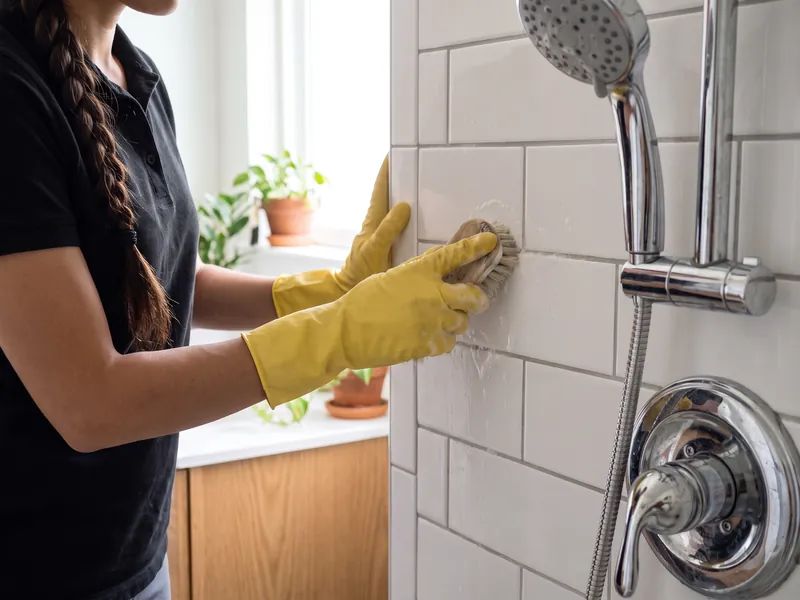
- Tile and grout below the shower spray line
- Around sink drains and under soap dishes
- Inside the toilet bowl at the waterline
- Glassware and the inside of the dishwasher
Keeping mineral spots from building up
Prevention is mostly about not letting water dry in place.
- Squeegee shower glass after the last shower of the day. It takes about 20 seconds and does more than any product.
- Wipe faucets and handles dry with a microfiber cloth when you clean the sink.
- Run the bathroom fan during a shower and for a while afterward so surfaces dry quickly.
- Clean the shower every week. Fresh spots wipe off. Old ones have to be dissolved.
Removing spots that are already there
Mineral deposits are alkaline, so a mild acid dissolves them. White vinegar mixed with an equal amount of water works on glass, chrome and glazed ceramic tile. Spray it on, give it several minutes to work, wipe with a non-scratch pad, then rinse and dry.
A few cautions matter more than the method:
- Do not use vinegar or other acidic cleaners on natural stone such as marble, travertine or limestone. Acid etches stone. Use a cleaner labeled as safe for stone.
- Never mix vinegar with bleach or with any product that contains bleach.
- Test specialty finishes, such as matte black or brushed gold, on a hidden spot first and check the manufacturer's care instructions.
- Skip abrasive powders and steel wool on glass and chrome. They scratch, and scratches hold the next layer of minerals.
There is a limit to what cleaning can do. Glass that has carried deposits for years can become etched, which leaves a permanent haze. At that point the glass is clean but will not look clear, and replacement or professional restoration is the only real fix.
Cedar season in North Austin
"Cedar fever" is the local name for the allergy season caused by Ashe juniper, the tree most Texans call mountain cedar. The trees release pollen from December through the middle of February, and the peak usually comes in January. On a bad day you can see it leaving the trees in clouds.
Pollen grains are small and light. They come in on clothes, shoes, hair and pets, and through open windows and doors. Indoors they settle with the dust on window sills, blinds, ceiling fans, air vents, bedding and soft furniture.
Cleaning habits that help during cedar season
These are cleaning tips, not medical advice. If your symptoms are severe, see a doctor or an allergist.
- Keep windows and doors closed on high pollen days and let the air conditioning or heating filter the air.
- Change your HVAC filter on schedule, and check it more often during the season.
- Dust with a damp microfiber cloth. A dry duster lifts pollen back into the air.
- Work from the top down: fans and vents first, then shelves and sills, then floors.
- Vacuum carpets, rugs and upholstery often, with a vacuum that has HEPA-type filtration if you have one.
- Wash bedding weekly, and more often if a pet sleeps on the bed.
- Leave shoes at the door and wipe pets down after walks.
- Wipe window sills, blinds and the tracks of sliding doors, where pollen collects.
How a professional cleaning fits in
A recurring cleaning every week or two handles most of this without you thinking about it. Bathrooms are scrubbed and fixtures polished before spots can harden, and dusting runs from the top down on every visit.
When buildup has already set in, a deep cleaning is the reset. Our Premium package adds intensive scrubbing of showers, tubs, sinks and faucets, which is where hard water shows. For cedar season, the add-ons worth considering are blinds, interior windows and baseboards. A deep cleaning in late February, once the pollen has stopped falling, clears what the winter left behind.
Your cleaner brings the products and equipment. If you prefer a particular product, or want one avoided on your stone or fixtures, tell us and we will follow it.
A short seasonal plan
- All year: squeegee the shower, dry the faucets and clean bathrooms weekly.
- December to mid-February: windows closed, damp dusting, frequent vacuuming and weekly bedding washes.
- Late February: a deep cleaning with blinds and interior windows added.
- Spring onward: a regular schedule to keep both problems small.
Want help with any of it? Request a free quote and tell us what you are seeing at home. A real person will reply with a flat-rate price.
Get a flat-rate price for your home
Tell us the size of your home and what you would like done. A real person replies, and nothing is charged until the cleaning is finished.